Qui est qui dans la recherche sur la longévité
Un panorama des chercheurs, instituts et entreprises qui comptent dans le domaine de la longévité.
57 chercheurs · 8 disciplines · 11 instituts · 17 entreprises
Une sélection choisie, non exhaustive, de noms reconnus, classés par discipline et volontairement pas par notoriété ni par influence.
Pour chacun, nous indiquons franchement sa position dans le domaine : salarié / fondateur veut dire salarié, fondateur ou actionnaire d’une entreprise du domaine, conseil / brevet signale des intérêts de conseil ou de brevet, et aucun intérêt connu veut dire que nous n’avons rien trouvé dans les sources publiques et les déclarations d’intérêts ; ce n’est pas une garantie. Pour la recherche elle-même, parcours nos thèmes et ce qui marche.
Podcasts et influenceurs
En plus du champ de recherche, nous suivons les grands podcasts sur la longévité. Pour ces cinq créateurs, nous tenons un profil complet, avec leurs partenaires commerciaux et leurs affirmations vérifiées. Ils ne font pas partie du champ de recherche ci-dessous.
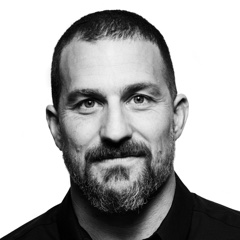 Andrew HubermanHuberman Labprofil →
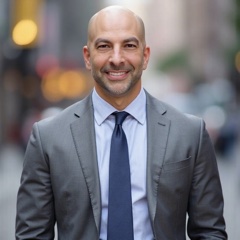 Peter AttiaThe Driveprofil →
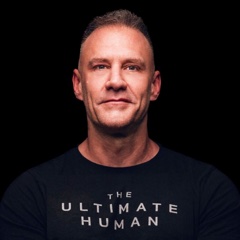 Gary BreckaThe Ultimate Humanprofil →
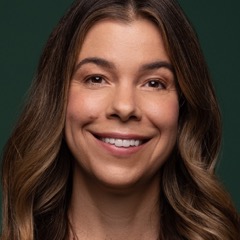 Rhonda PatrickFoundMyFitnessprofil →
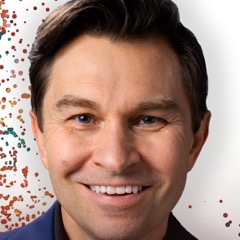 David SinclairLifespanprofil →
Toutes les affirmations vérifiées sont dans la vérification des affirmations.
Aging clocks & biomarkers
Developed the first multi-tissue epigenetic aging clock in 2013, now the standard for measuring biological age.
Developed the PhenoAge clock, which predicts not just age but also disease risk.
Pioneer in the reliability of methylation clocks and in quantifying biological age and rejuvenation.
Showed that blood proteins drive brain aging, and derived a blood test that estimates a biological age per organ.
Cellular reprogramming
2012 Nobel Prize for iPS cells: proved that adult cells can be reset to a young state, the foundation of the entire reprogramming field.
Discovered epigenetic reprogramming in development and demonstrated substantial rejuvenation of human cells through partial reprogramming.
First to show that partial reprogramming can reverse hallmarks of aging in living mice.
Discovered the senescence gene p16 and connects senescence research to rejuvenation via reprogramming.
Studies the epigenetic information-loss theory of aging, and is at once the most visible and most criticized public voice on lifespan.
Developed transient rejuvenation (ERA) of adult cells without loss of their cell identity.
Turns skin cells in the lab into rejuvenated, stem-cell-like cells she calls Prometheus cells, and previously studied neural stem cells and Rett syndrome at UCLA.
Reverted body cells to pluripotent stem cells using only chemicals. A patient with type 1 diabetes no longer needed insulin after a transplant of islet cells grown from them.
Stem cell therapy in the clinic
Showed in seven Parkinson's patients that transplanted dopamine-cell precursors made from iPS cells caused no serious side effects. Japan conditionally approved the product Amchepry in 2026.
Showed in four patients with a recent cervical spinal cord injury that neural precursor cells made from iPS cells caused no tumors after two to four years.
Led the first transplant of retinal cells made from iPS cells in 2014, in a patient with wet macular degeneration, and then founded the company Vision Care.
Developed a stem cell therapy from a patient's own fat tissue for knee osteoarthritis (JointStem), which the South Korean regulator rejected three times. Nature Cell now targets the US; his book on reverse aging is sold on Amazon.
Senescence & senolytics
Co-founder of the senolytics field: coined the term and ran the first human studies on clearing senescent cells.
Conceived the senolytics concept with Kirkland and developed the biomarkers and models of senescent cells.
Uncovered the molecular control of cellular senescence, including senolysis via GLS1 inhibition.
Showed how endogenous DNA damage drives cellular senescence and aging, and brought the flavonoid fisetin into focus as a senolytic.
Reported that procyanidin C1 from grape seed extract kills senescent cells and extends lifespan in mice. In 2026 the journal added an expression of concern to that study: a figure resembles an earlier one and the raw data cannot be found.
Genetics of exceptional longevity
Identified human longevity genes through centenarians and initiated the metformin trial TAME.
Discovered that a single gene (daf-2) doubles the lifespan of worms, showing that aging is genetically controllable.
Founder of the Leiden Longevity Study into the genetics and biomarkers of healthy aging in families.
Founder of the New England Centenarian Study, the largest centenarian study, and an outspoken critic of the anti-aging industry.
Showed in centenarians that reduced IGF-1 activity is associated with exceptional longevity.
Nutrition, metabolism & known drugs
Put rapamycin on the map as a candidate aging drug and is co-founder of the Dog Aging Project.
Leading figure of the ITP, the most rigorous program testing which compounds actually extend the lifespan of mice.
Founder of the fasting-mimicking diet and of the research connecting nutrition to the pathways of aging.
Leading research on caloric restriction and fasting patterns in mice and rhesus monkeys.
Unravels the mTOR pathway and showed that low-protein diets and restriction of BCAA amino acids improve metabolic health.
Studies how sirtuins, NAD+ and ketone bodies drive the aging process and inflammation.
Discovered the TOR/mTOR protein, the switch controlling cell growth and aging and the target of rapamycin. 2024 Balzan Prize for the biological mechanisms of ageing.
Uncovered the role of spermidine in autophagy and cell protection, turning it into a fast-growing research field (spermidine as a fasting mimetic).
Identified urolithin A as a mitophagy inducer and pioneered interventions targeting NAD+ and mitochondrial health.
Showed that mice given NMN for twelve months had less age-related decline, which made him the scientific face of NMN supplements.
Fundamental & comparative biology
Lead author of The Hallmarks of Aging, the influential framework that defines the core processes of aging.
Discovered the role of mitochondrial membrane permeabilization in cell death and is a leader in autophagy research.
Pioneered showing that diet and signaling pathways slow aging, consistently from fruit fly to mouse.
Pioneer of comparative aging biology, using long-lived species to study why organisms age so differently.
Built the widely used open databases on aging (AnAge, GenAge, DrugAge) that supply the field with data.
Showed with the naked mole-rat that high-molecular-weight hyaluronan is the key to its cancer resistance and long life.
Mapped the evolution of tumor suppression toward lifespan and, with Gorbunova, identified the hyaluronan mechanism.
Leads China's hub in aging biology: aging clocks, stem cells and the Aging Biomarker Consortium.
Showed with Guang-Hui Liu that genetically modified human precursor cells resistant to cellular aging reduced signs of aging in old macaques, including in the brain.
Uncovered the central role of DNA damage in aging, including the discovery of the DREAM complex.
One of the world's foremost telomere researchers, who demonstrated telomerase gene therapy in mice.
Mapped the networks behind long life and age-related memory loss using the roundworm C. elegans.
Mapped the metabolic and hormonal control of lifespan, from worm to vertebrate (C. elegans and killifish).
Showed how telomere dysfunction drives stem-cell aging; former scientific director of the FLI.
Founding figure of systems biology; explained with a single senescent-cell removal mechanism why mortality rises with age the way it does.
First to show that the supporting tissue of the ovary becomes fibrotic with age, making reproductive aging measurable.
Longevity medicine & prominent voices
German physician-researcher, PhD in Leiden, bringing clinical longevity medicine into practice through cohort studies and trials in Amsterdam, Melbourne and Singapore.
Uncovered the role of sirtuins and the mTOR pathway in aging; former CEO of the Buck Institute.
Popularized the longevity escape velocity concept and the SENS approach, and is now testing combined rejuvenation in mice.
Built the biomarkers and endpoints that make aging itself testable in clinical trials; now leads a $101 million prize.
Leads the longest-running study of adult lives, showing that the quality of close relationships predicts later health better than wealth, class or genes.
Instituts de référence
The world's first independent institute wholly dedicated to the biology of aging.
The US federal institute that leads and funds aging research.
European hub for the molecular and evolutionary mechanisms of aging.
The oldest and largest academic gerontology school in the world.
Chinese hub for aging and regeneration research.
Home of the Longevity Genes Project and the TAME trial.
Leading German university cluster on cellular stress responses in aging-associated diseases.
Germany's first biomedical aging institute (2004); stem-cell aging and molecular damage.
Where the TOR/mTOR protein was discovered, the foundation of the rapamycin story.
Startups innovantes
D'où vient une bonne partie des travaux les plus récents (et les plus survendus). Objet et stade indiqués de façon neutre.
Heavily funded company using cellular reprogramming to rejuvenate cells (~$3 billion in initial capital).
Alphabet/Google subsidiary researching the fundamental biology of aging.
Aims to extend healthy lifespan by ten years; funded by Sam Altman.
Resets aged cells to a younger gene-expression pattern; founded by Brian Armstrong.
Develops partial-reprogramming therapy; first human trial approved by the FDA (2026).
Develops senolytic drugs that clear aged cells, with a focus on eye diseases.
Develops gene therapies against aging; spun out of George Church's lab.
Drug development based on human aging data; now focused on obesity and metabolic disease.
Uses generative AI for drug discovery in aging and fibrosis.
Develops drugs that extend the healthy lifespan of dogs, with FDA recognition for senior dogs.
Physics-first AI platform that models the dynamics of aging to find drugs.
Developed mRNA drugs (ERA platform) that reverse the epigenetic age of cells. South Korea's Daewoong Pharmaceutical acquired the platform at auction in May 2026.
Clinical-stage; oral small molecules that induce mitophagy to restore mitochondrial function (€116m raised).
Swiss platform (formerly Rejuveron) building therapies against hallmarks of aging: senescence, telomeres and stem cells.
Develops gene therapy based on a centenarian SIRT6 variant (GF-1002).
Spun out of EPFL; developed urolithin A (Mitopure) for mitochondrial health.
Develops spermidine supplements (spermidineLIFE) based on the research of Frank Madeo.
Liens d'intérêts vérifiés en août 2026 à partir de sources publiques et de déclarations d'intérêts ; les affiliations et les intérêts peuvent changer. Tu vois une erreur ou un nom qui manque ? Dis-le-nous.